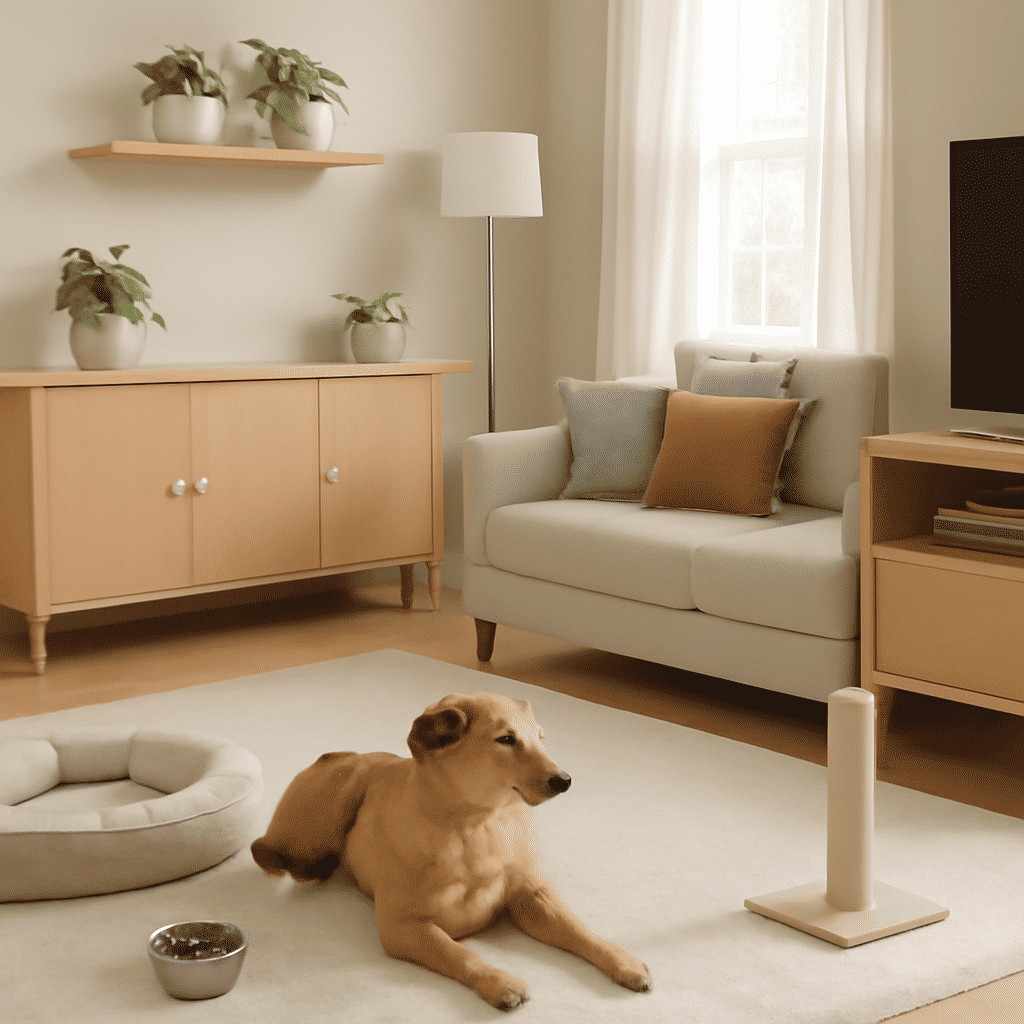
Creating a safe environment for your pets is essential to their well-being and happiness. As a pet owner, it's crucial to be aware of potential hazards in your home and take proactive steps to prevent accidents and injuries. Here are some key home safety tips to help keep your furry friends secure:
-
Secure Hazardous Areas: Many pets are naturally curious, which can lead them into dangerous spaces. Keep cabinets containing cleaning supplies, laundry detergents, or any chemicals firmly closed. Consider using childproof locks for added security.
-
Electrical Safety: Pets, especially puppies and kittens, may chew on electrical cords, posing a risk of electric shock. Use cord protectors or keep cords out of reach to prevent accidents. Unplug appliances when they're not in use to avoid tempting cords.
-
Safe Furniture Placement: Cats and dogs alike may jump onto or off furniture, potentially injuring themselves. Ensure that high surfaces are stable and that there’s nothing nearby they might topple onto themselves. Additionally, check that furniture isn’t placed in such a way as to create small, hazardous spaces where a pet might get stuck.
-
Proper Storage of Food: Certain human foods are toxic to pets, such as chocolate, grapes, and onions. Store these and other dangerous foods in secure, out-of-reach places. Make use of airtight containers to prevent pets from accessing food that might be harmful to them.
-
Plant Precautions: Some household plants can be toxic if ingested by pets. Common plants such as aloe vera, lilies, and philodendrons should be kept out of reach or replaced with non-toxic alternatives.
-
Window and Balcony Safety: Pets, especially cats, may be tempted to explore open windows and balconies. Install screens or keep windows closed when you’re not around. On balconies, ensure railings are not wide enough for a pet to slip through.
-
Proper Toy Selection: Choose durable and safe toys that are appropriate for the size and chewing strength of your pet. Avoid toys with small parts that could be swallowed or become lodged in a pet’s throat.
-
Prevent Sharp Object Access: Keep sharp objects such as knives, scissors, and needles out of reach. Store these items in drawers or cabinets that are securely closed.
-
Maintain Clean Floors: Regularly vacuum and clean floors to remove small objects that could pose choking hazards, like coins or small toys. Be especially mindful of small items such as rubber bands or paper clips that pets may swallow.
-
Emergency Preparedness: Keep emergency contact numbers for your veterinarian and local animal hospital readily accessible. Assemble a basic pet first aid kit to handle emergencies quickly.
By implementing these precautions, you can create a safer home environment for your pets, reducing the risk of accidents and ensuring their health and happiness. Stay vigilant and regularly assess your home for new potential threats, adjusting your safety measures as needed.